
Introduction
Modern systems are distributed, API‑driven, and cloud native. When something breaks, you need deep visibility, not guesswork.
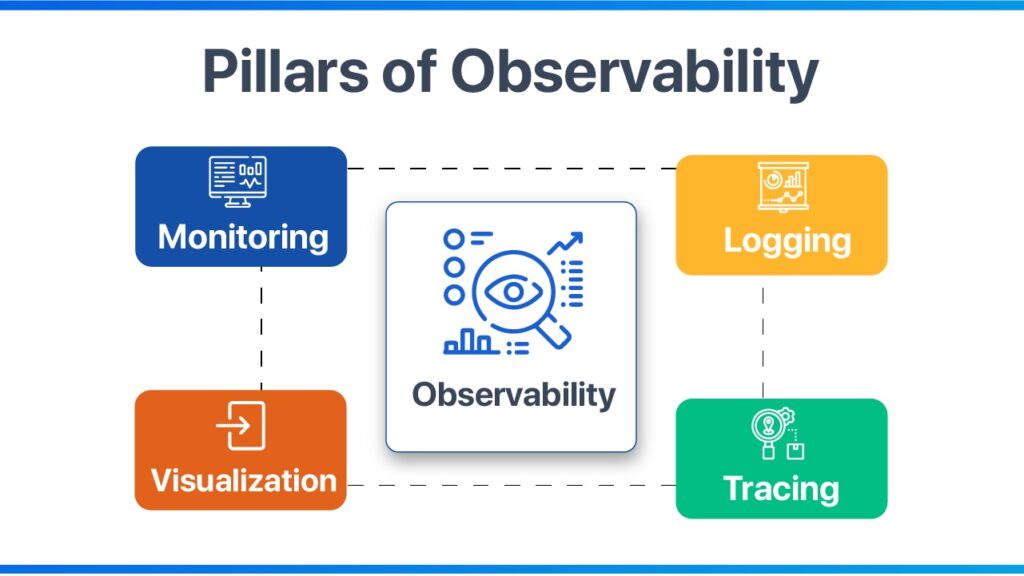
Observability engineering gives teams that visibility by combining metrics, logs, traces, and intelligent alerting into one clear picture of system health. The Master in Observability Engineering (MOE) program from DevOpsSchool is designed to build this skill set in a structured and practical way.
What Is Observability Engineering?
Observability engineering is the discipline of designing, building, and operating telemetry for complex systems. It goes beyond basic monitoring dashboards and focuses on answering “why” something is happening, not just “what” is happening.
A good observability engineer shapes how data flows from services to tools like metrics stores, log platforms, and tracing systems, and connects that data to SRE, DevOps, AIOps, and business outcomes.
Overview of Master in Observability Engineering (MOE)
The Master in Observability Engineering (MOE) is a specialized, advanced certification and training program offered by DevOpsSchool. It aims to take you from basic monitoring knowledge to full‑stack observability design, implementation, and operations across modern cloud and microservices environments.
MOE blends theory, hands‑on labs, and real project work with tools like Prometheus, Grafana, ELK, OpenTelemetry, Jaeger, and cloud‑native services.
MOE Certification Snapshot
| Track | Level | Who it’s for | Prerequisites | Skills covered | Recommended order |
|---|---|---|---|---|---|
| Observability Engineering | Master/Expert | DevOps, SRE, Platform, Cloud, Security, Data, FinOps engineers; managers and architects | 2–3 years in IT, basic Linux, scripting, cloud and monitoring basics | Observability pillars, metrics/logs/traces, OpenTelemetry, APM, alert design, incident response, SLO/SLA, telemetry pipelines, tool ecosystems (Prometheus, Grafana, ELK, Jaeger, etc.) | After core DevOps/SRE or cloud foundation |
Master in Observability Engineering (MOE)
What it is
The Master in Observability Engineering (MOE) is an advanced certification that focuses on designing and running full‑stack observability for complex systems. It teaches you how to combine telemetry (metrics, logs, traces, events) into meaningful insights that support reliability, performance, and business continuity.
The program is delivered with expert‑led training, hands‑on labs, and real case studies aligned with SRE and DevOps practices.
Who should take it
- DevOps and SRE engineers responsible for uptime, incident response, and production operations.
- Platform and cloud engineers building shared platforms and internal developer platforms.
- Security engineers who need deep visibility into security events and behaviors.
- Data and AIOps/MLOps engineers using telemetry for analytics and automation.
- FinOps practitioners tying observability to cost and usage insights.
- Engineering managers and architects designing reliability strategies and observability roadmaps.
Skills you’ll gain
- Strong understanding of observability pillars: metrics, logs, traces, and events.
- Designing telemetry architectures and data pipelines for distributed systems.
- Hands‑on use of tools: Prometheus, Grafana, ELK/EFK, Jaeger/Zipkin, cloud monitoring.
- Implementing OpenTelemetry for vendor‑neutral instrumentation.
- Defining SLOs, SLIs, SLAs, and building meaningful alert strategies.
- Running effective incident response, root cause analysis, and post‑incident reviews.
- Using observability for capacity planning, performance tuning, and cost optimization.
Real-world projects you should be able to do after it
- Instrument a microservices application with OpenTelemetry for metrics, logs, and traces end‑to‑end.
- Design and deploy an observability stack (Prometheus + Grafana + ELK + tracing) for a production‑like environment.
- Define and implement SLOs and alert rules for key services, including error budgets.
- Build a centralized logging and tracing solution that supports multi‑cluster or multi‑cloud setups.
- Integrate observability into CI/CD pipelines for automated checks and quality gates.
Preparation Plans for MOE
7–14 Day Accelerated Plan
Best for experienced SRE/DevOps engineers already working with Prometheus/Grafana/ELK or similar stacks.
- Map your skills to the MOE curriculum; close gaps in OpenTelemetry, SLOs, and tracing.
- Do intensive labs on microservices instrumentation and distributed tracing.
- Review incident case studies and practice structured incident analysis.
- Take practice quizzes or internal mock tests if available.
30 Day Structured Plan
Good for engineers comfortable with monitoring but new to “observability as a discipline.”
- Week 1: Observability concepts, pillars, telemetry basics, and current stack review.
- Week 2: Metrics and alerting with Prometheus/Grafana; logs with ELK/EFK.
- Week 3: Tracing, OpenTelemetry, service mesh observability, and SLOs.
- Week 4: Full project implementation, exam revision, and scenario‑based practice.
60 Day Deep Plan
Ideal for career shifters or managers building a strong technical base.
- Month 1: Fundamentals—Linux, networking, HTTP, microservices basics, cloud platforms, incident management.
- Month 2: End‑to‑end observability lab: design, implement, tune, and document an observability stack; then finalize with MOE‑style exam and review.
Common Mistakes Candidates Make
- Treating observability as “just monitoring” and ignoring traces, logs correlations, and SLOs.
- Over‑focusing on tools without understanding observability design principles.
- Collecting all data without thinking about cost, cardinality, and signal‑to‑noise.
- Creating too many unstructured alerts, leading to alert fatigue.
- Skipping real incident simulations and only reading theory.
- Ignoring cross‑team collaboration (Dev, Ops, Security, Business) in observability decisions.
Best Next Certifications After MOE
Based on broader software engineering certification trends:
Same Track (Observability / SRE / DevOps)
- SRE‑oriented certifications (e.g., site reliability engineering programs) to deepen reliability engineering skills.
- Cloud DevOps / Professional DevOps certifications that cover CI/CD, monitoring, and operations together.
Cross-Track
- Cloud architect or cloud developer certifications (AWS/Azure/GCP) to pair observability with architecture design.
- Security or DevSecOps certifications to align observability with threat detection and compliance.
Leadership-Focused
- Advanced cloud architect or technical leadership certifications that emphasize design, governance, and strategy.
- Management‑oriented programs that focus on leading SRE/DevOps/Platform teams.
Choose Your Path: 6 Observability-Centric Learning Paths
1. DevOps Path
- Core focus: CI/CD, automation, and environments with observability integrated into pipelines.
- Suggested sequence: DevOps foundation → MOE → cloud DevOps / Kubernetes certifications.
2. DevSecOps Path
- Core focus: security events, anomaly detection, and threat visibility embedded into observability.
- Sequence: Security basics → MOE → DevSecOps / cloud security certifications.
3. SRE Path
- Core focus: reliability, SLOs, error budgets, and robust incident response.
- Sequence: SRE foundation → MOE → advanced SRE/observability or cloud professional certifications.
4. AIOps/MLOps Path
- Core focus: using telemetry data for AI/ML‑driven insights, anomaly detection, and automation.
- Sequence: Data/ML basics → MOE → AIOps/MLOps or cloud data/ML certifications.
5. DataOps Path
- Core focus: observability of data pipelines, data quality, and data platform performance.
- Sequence: Data engineering basics → MOE → data engineer / analytics certifications.
6. FinOps Path
- Core focus: linking telemetry with cost, usage, and financial accountability.
- Sequence: Cloud cost basics → MOE → FinOps or cloud cost optimization programs.
Role → Recommended Certifications (with MOE)
| Role | Core Observability Cert (MOE) | Recommended Supporting Certifications |
|---|---|---|
| DevOps Engineer | Master in Observability Engineering | DevOps/Cloud DevOps, Docker/Kubernetes, cloud associate (AWS/Azure/GCP) |
| SRE | Master in Observability Engineering | SRE certifications, cloud professional, monitoring/incident‑management programs |
| Platform Engineer | Master in Observability Engineering | Kubernetes admin, cloud architect, security/DevSecOps certifications |
| Cloud Engineer | Master in Observability Engineering | Cloud associate/professional, networking and security specializations |
| Security Engineer | Master in Observability Engineering | DevSecOps, cloud security, SOC/blue‑team style certifications |
| Data Engineer | Master in Observability Engineering | Data engineer/analytics certifications, big‑data platform credentials |
| FinOps Practitioner | Master in Observability Engineering | FinOps or cost‑optimization programs, cloud architect/admin |
| Engineering Manager | Master in Observability Engineering | Cloud architect, SRE/DevOps leadership and strategy‑oriented certifications |
Top Institutions for MOE Training and Certification Support
DevOpsSchool
DevOpsSchool is the official provider of the Master in Observability Engineering (MOE) program. It offers live instructor‑led sessions, self‑paced material, hands‑on labs, and project‑based assignments focused on real production scenarios.
Cotocus
Cotocus supports DevOps, SRE, and observability initiatives with consulting and training. Their programs emphasize job‑ready skills, including end‑to‑end observability setups, troubleshooting, and interview preparation for observability‑driven roles.
ScmGalaxy
ScmGalaxy is known for DevOps and SCM training that includes observability as a key pillar. It integrates observability tools into complete CI/CD and release pipelines, helping engineers see where monitoring and tracing fit in the delivery lifecycle.
BestDevOps
BestDevOps curates training and content around DevOps best practices, including observability and SRE. The focus is on practical, tool‑based learning and aligning observability engineering with continuous delivery and platform engineering.
devsecopsschool.com
devsecopsschool.com concentrates on security in DevOps, where observability is critical for early threat detection and incident investigation. Programs often combine security logging, SIEM integration, and observability tooling into unified workflows.
sreschool.com
sreschool.com specializes in Site Reliability Engineering, with observability at its core. Training covers SLOs, error budgets, on‑call practices, and how observability enables reliable, scalable services.
aiopsschool.com
aiopsschool.com focuses on AIOps and intelligent operations that heavily rely on rich telemetry. Courses show how observability data fuels anomaly detection, predictive alerting, and automated remediation.
dataopsschool.com
dataopsschool.com targets DataOps and data platform reliability, where pipeline observability is essential. Programs emphasize monitoring data flows, data quality, and performance using observability patterns and tools.
finopsschool.com
finopsschool.com connects observability with cloud financial management. Training highlights how metrics, logs, and usage data support cost optimization, forecasting, and accountability.
FAQs on Master in Observability Engineering (MOE) and Career Impact
1. What is the Master in Observability Engineering (MOE) certification?
MOE is an advanced certification and training program from DevOpsSchool that focuses on designing, implementing, and operating observability for modern systems.
2. How difficult is the MOE certification?
It is challenging if you are new to monitoring and distributed systems, but manageable with a solid background in DevOps/SRE and a structured preparation plan.
3. How much time do I need to prepare?
Most working engineers need 30–60 days of focused study with labs, while experienced SREs and DevOps professionals may be ready in 1–2 weeks of intensive work.
4. What are the prerequisites for MOE?
You should have basic Linux skills, familiarity with at least one cloud platform, some experience with monitoring tools, and an understanding of web/microservices architectures.
5. In what sequence should I take observability and other certifications?
A common sequence is: core cloud/DevOps or SRE foundation → MOE → specialized certifications like SRE, architect, security, or data engineer.
6. What is the career value of MOE?
MOE signals that you can own observability for complex systems, which is highly valuable for SRE, platform, and senior DevOps roles, and often tied to higher‑impact responsibilities.
7. Does MOE help with promotions or role changes?
Yes, it strengthens your case for roles like SRE, observability engineer, platform engineer, or reliability‑focused tech lead by proving a specialist skill that many organizations lack.
8. Is MOE useful for managers and architects?
It is very useful for leaders who need to design reliability strategies, prioritize investments, and guide teams on observability standards and tooling.
9. Can beginners or fresh graduates attempt MOE?
Beginners can aim for MOE, but they usually first build fundamentals with cloud/DevOps or entry‑level SRE certifications and basic monitoring experience.
10. How does MOE compare to generic monitoring courses?
Generic monitoring courses often focus on tools; MOE focuses on full‑stack observability design, SLOs, incident response, and cross‑tool integration, making it more strategic and advanced.
11. Is observability engineering a long-term career path?
Yes, demand is rising as systems get more complex and organizations tie reliability directly to revenue and user experience. Observability engineering is becoming a key specialization.
12. How does MOE connect with AIOps and automation?
MOE builds the high‑quality telemetry that AIOps systems need for anomaly detection, predictions, and automated remediation, making it a strong foundation for AIOps roles.
General Questions About Observability and MOE
1. Is observability the same as monitoring?
No. Monitoring usually tracks known metrics and alerts on predefined thresholds, while observability focuses on collecting rich telemetry (metrics, logs, traces) so you can answer new, unknown questions about system behavior.
2. Do I need microservices to care about observability?
No. Observability is useful for monoliths, microservices, and hybrid systems. As soon as you care about uptime, performance, or debugging production issues, observability adds value.
3. Which programming language is best for observability work?
There is no single “best” language. Most observability stacks support many languages via SDKs and OpenTelemetry. What matters more is understanding telemetry concepts rather than a specific language.
4. Can observability tools replace a good incident management process?
No. Observability tools provide data and insights, but you still need clear on‑call rules, runbooks, escalation policies, and post‑incident reviews to handle incidents effectively.
5. Is observability only for large companies and big systems?
Not at all. Smaller teams and startups benefit a lot because good observability reduces firefighting, speeds up debugging, and makes it easier to move fast without losing control.
6. How does observability help with cost optimization?
By exposing detailed usage, performance, and error patterns, observability helps you right‑size resources, remove waste, and understand where money is being spent in your stack.
7. Do I need to buy expensive tools to get started?
No. You can start with open‑source tools like Prometheus, Grafana, ELK, and OpenTelemetry. Commercial tools become useful later for scale, features, and support.
8. Is coding mandatory to become an observability engineer?
You don’t need to be a full‑time developer, but you should be comfortable reading and adding instrumentation code, working with APIs, and writing basic scripts or configuration to connect systems together.
Conclusion
The Master in Observability Engineering (MOE) program is a powerful way to build deep, practical expertise in observability, reliability, and telemetry‑driven operations. For DevOps, SRE, platform, cloud, security, data, FinOps professionals, and engineering managers, MOE can anchor a high‑impact career path where system health, user experience, and business outcomes all meet.

